Distal Wedge vs. Crown Lengthening: What’s the Difference?

Understanding Tooth Avulsion: Causes, Treatment, & Recovery
June 22, 2026
Root Canal Infection Treatment vs. Tooth Extraction: Which is Better?
July 15, 2026
When gum tissue affects access to a tooth or creates challenges with maintaining oral health, dentists may recommend specialized periodontal procedures to improve the condition of the gums and surrounding teeth. A distal wedge in Michigan may be considered for certain areas of the mouth where excess gum tissue needs to be adjusted.
At the same time, crown lengthening is used for various treatment goals, including tooth exposure and gum reshaping.

Understanding The Purpose of Gum Procedures
Healthy gums provide essential support and protection for teeth. They create a barrier that helps protect the underlying structures while contributing to overall oral health. However, certain situations may cause gum tissue to interfere with cleaning, restorative treatments, or periodontal maintenance.
A distal wedge is a procedure typically performed near the back teeth, especially around molars, where excess tissue may make proper cleaning more difficult. During this treatment, a dentist carefully removes and reshapes a small section of gum tissue to improve access to the area and support better oral hygiene. This approach can help address periodontal concerns in hard-to-reach areas.
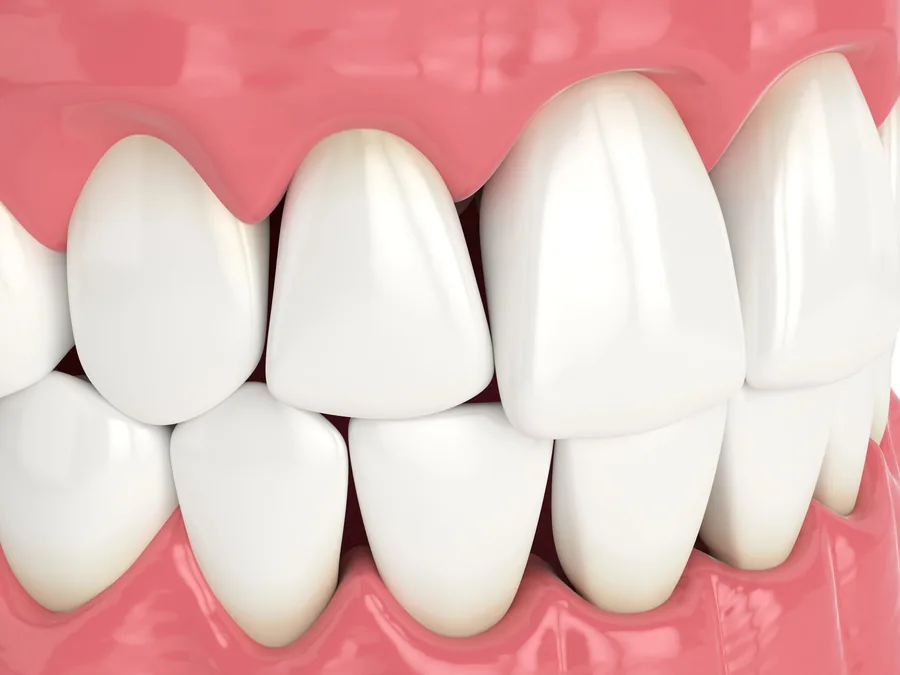
Crown lengthening serves a different purpose. Instead of focusing mainly on tissue removal near the back of the mouth, this procedure is designed to expose more of the tooth structure above the gumline. It may be recommended when there is insufficient visible tooth surface for a restoration, or when changes to the gumline are needed for cosmetic reasons.
How Distal Wedge & Crown Lengthening Differ
Although both treatments involve modifying gum tissue, they are performed for different reasons. Understanding the differences can help patients have more informed conversations with their dental provider.
Some important distinctions include:
- A distal wedge is commonly used around molars to manage excess gum tissue and improve access
- Crown lengthening focuses on exposing additional tooth structure when needed
- Treatment recommendations depend on the location and condition of the affected area
- Both procedures require careful planning to support healthy gum function
Dentists consider several factors before recommending either procedure. These may include the condition of the gums, the position of the tooth, the patient’s oral hygiene habits, and whether additional restorative treatment is needed.
What to Expect During Treatment & Recovery
Before undergoing periodontal treatment, patients typically receive a thorough evaluation of their teeth and gums. This allows the dental team to understand the specific concern and create a personalized treatment approach.
During recovery, following aftercare instructions can help support proper healing. Patients may be advised to practice gentle brushing, maintain regular cleaning routines, and avoid certain foods or activities while the treated area heals. Follow-up visits allow the dentist to monitor progress and make sure the gums are responding well to treatment.
The recovery process can vary depending on the procedure performed and the patient’s overall oral health. Good home care and routine dental visits remain important parts of protecting gum health after treatment.
Schedule a Consultation for a Distal Wedge in Michigan
Choosing the right periodontal treatment begins with understanding your options and discussing your specific concerns with a dental professional. Bloink Dental helps patients explore personalized solutions based on their oral health needs and long-term goals.
Schedule an appointment today to learn more about how a distal wedge in Michigan may help support healthier gums and improve your overall dental care experience.