Root Canal Infection Treatment vs. Tooth Extraction: Which is Better?

Distal Wedge vs. Crown Lengthening: What’s the Difference?
July 15, 2026
Can Dental Crown Restorations Fix Cracked or Worn Teeth?
August 5, 2026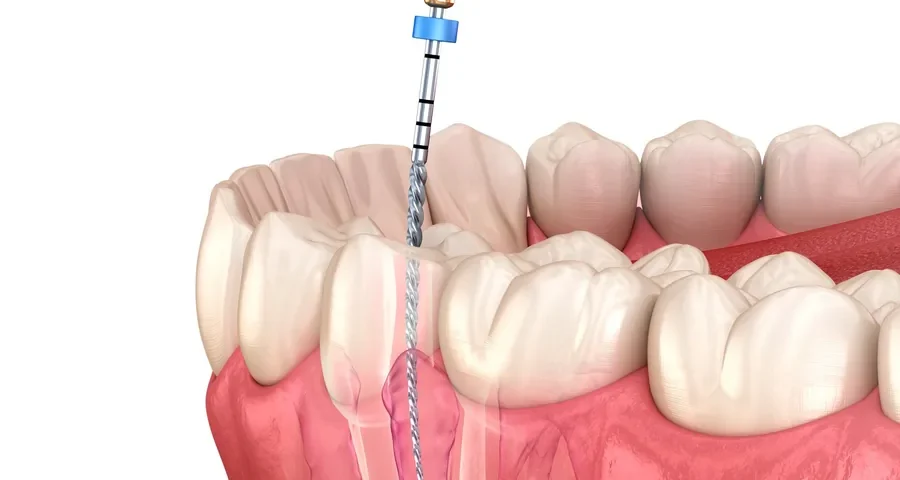
When a tooth becomes infected, damaged, or painful, many patients wonder whether it is better to save the tooth or remove it completely. A root canal infection treatment in Livonia, MI, may preserve a natural tooth. However, extraction focuses on removing a tooth that may no longer be repairable.
Understanding the differences between these options can help patients make informed decisions about their oral health.

Understanding Root Canal Treatment & Tooth Extraction
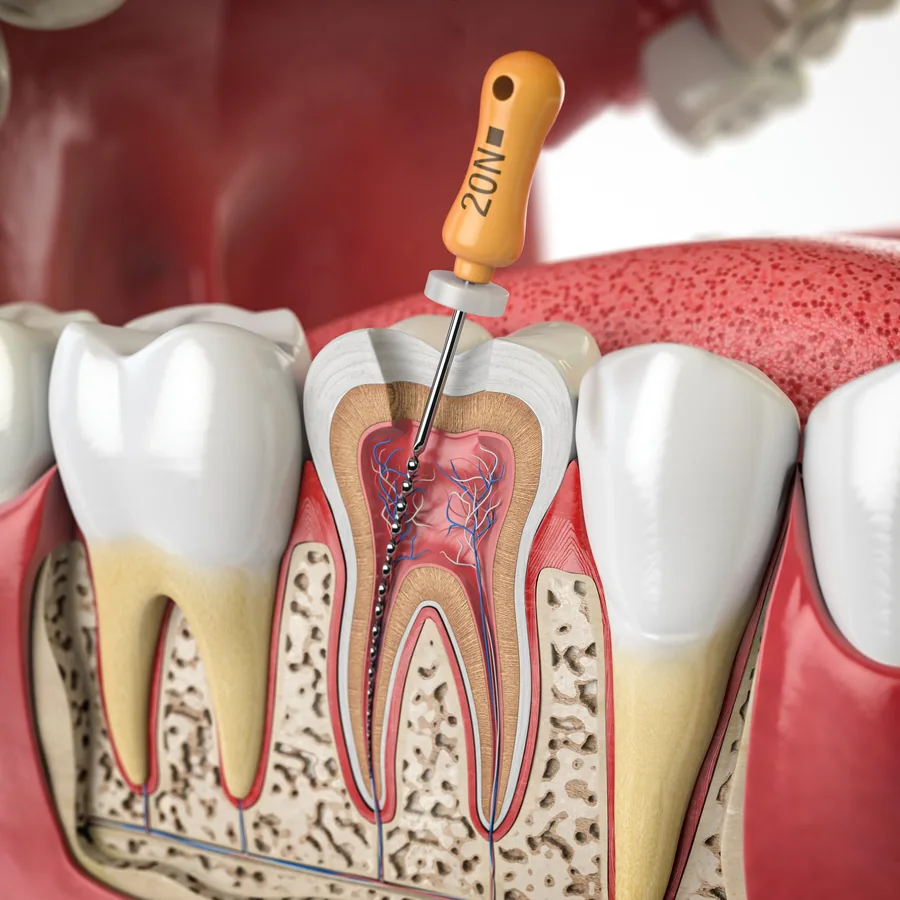
A root canal is a restorative dental procedure designed to treat infection within a tooth while preserving the natural structure. Inside each tooth is a soft inner area called the pulp, which contains nerves and blood vessels. When bacteria enter this area due to deep decay, cracks, or injury, an infection can develop, leading to discomfort, sensitivity, or swelling.
During a root canal procedure, the infected pulp is removed, the inside of the tooth is carefully cleaned, and the tooth is sealed. Afterward, the tooth may require a crown or another restoration to strengthen it and protect it during everyday use. With proper care, a treated tooth can continue functioning as part of the natural smile.
Tooth extraction involves removing the entire tooth from the mouth. This option may be recommended when a tooth has extensive damage that cannot be restored or when keeping the tooth could negatively affect surrounding structures. Although extraction can resolve the immediate problem, replacing a missing tooth may require additional dental treatment in the future.
Factors to Consider When Choosing Treatment
The right choice depends on each patient’s specific dental condition. Dentists evaluate the tooth, surrounding gums, and overall oral health before recommending a treatment plan. A thorough examination helps determine whether saving the tooth is realistic or whether removal may provide a better long-term outcome.
Important factors to consider include:
- The amount of healthy tooth structure remaining
- The severity and location of the infection
- The condition of nearby teeth and gums
- The patient’s comfort, needs, and long-term goals
Preserving a natural tooth is often preferred when possible because natural teeth help maintain normal chewing patterns and support the surrounding teeth. However, extraction may be the appropriate option when repair is not predictable or when removing the tooth can protect overall oral health.
Why Saving a Tooth May Be Beneficial
Keeping a natural tooth can provide advantages beyond appearance. Natural teeth help maintain proper spacing and contribute to balanced bite function. Removing a tooth may eventually lead to changes in surrounding teeth, which is why replacement options are often considered after extraction.
A restored tooth still requires regular care. Patients should continue brushing, flossing, and attending routine dental visits to support healthy gums and protect their remaining teeth. Preventive care is especially important for avoiding future infections and maintaining a strong smile.
Understanding available treatments can make dental decisions feel less overwhelming. A consultation allows patients to ask questions, discuss concerns, and learn what approach best fits their oral health needs.
Schedule a Consultation for Root Canal Infection Treatment in Livonia, MI
Choosing between saving a tooth and extraction begins with a professional evaluation. Bloink Dental provides personalized care and helps patients understand their treatment options based on their unique dental needs.
Schedule an appointment today to discuss your concerns and learn how root canal infection treatment in Livonia, MI, may help support a healthier, more comfortable smile.