Understanding Tooth Avulsion: Causes, Treatment, & Recovery

Who Is a Good Candidate for a Distal Wedge Procedure?
June 8, 2026
Distal Wedge vs. Crown Lengthening: What’s the Difference?
July 15, 2026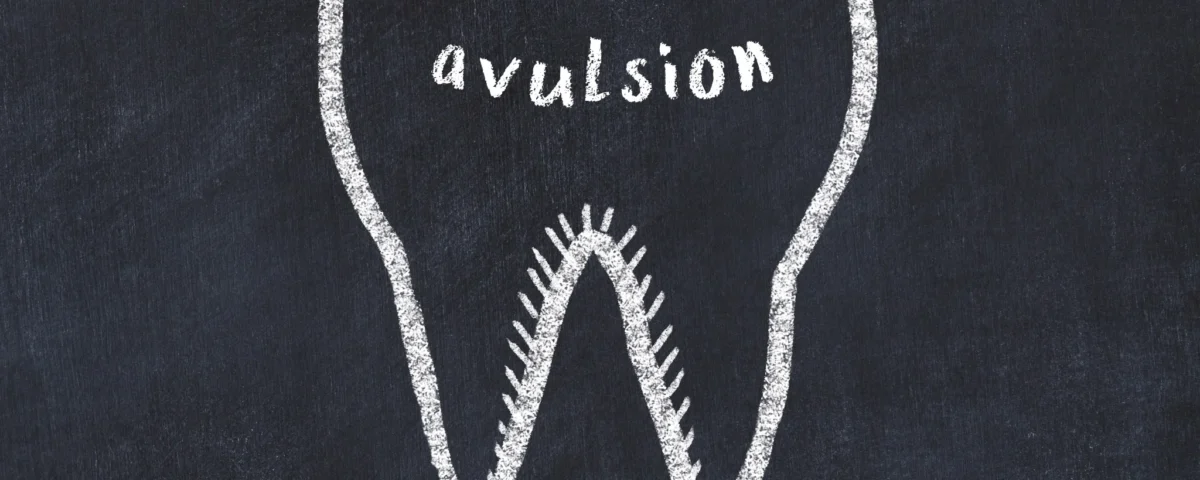
Dental emergencies can happen when you least expect them. Sports injuries, falls, vehicle accidents, and other unexpected events can result in avulsion, a serious dental injury in which a tooth is completely displaced from its socket. Because this type of trauma affects both the tooth and surrounding tissues, prompt treatment is essential.
Understanding the causes, treatment options, and recovery process can help patients respond quickly and improve the chances of preserving their natural smile.
What Causes a Tooth to Become Dislodged?
A tooth may get knocked out when a strong impact is directed toward the mouth or face. The severity of the force often determines the extent of the injury and whether surrounding structures are affected.
Common Causes of Dental Trauma
Several situations can increase the risk of this type of injury, including:
- Contact sports without protective mouthguards
- Falls at home, school, or work
- Bicycle or vehicle accidents
- Physical impacts during recreational activities
- Workplace injuries involving facial trauma
While anyone can experience dental trauma, children, teenagers, and athletes are often at a higher risk due to their activity levels.
Why is Immediate Treatment Important?
Time plays a critical role when a tooth is completely displaced. The sooner professional care is received, the better the likelihood of successful treatment.
What To Do Before Seeing a Dentist
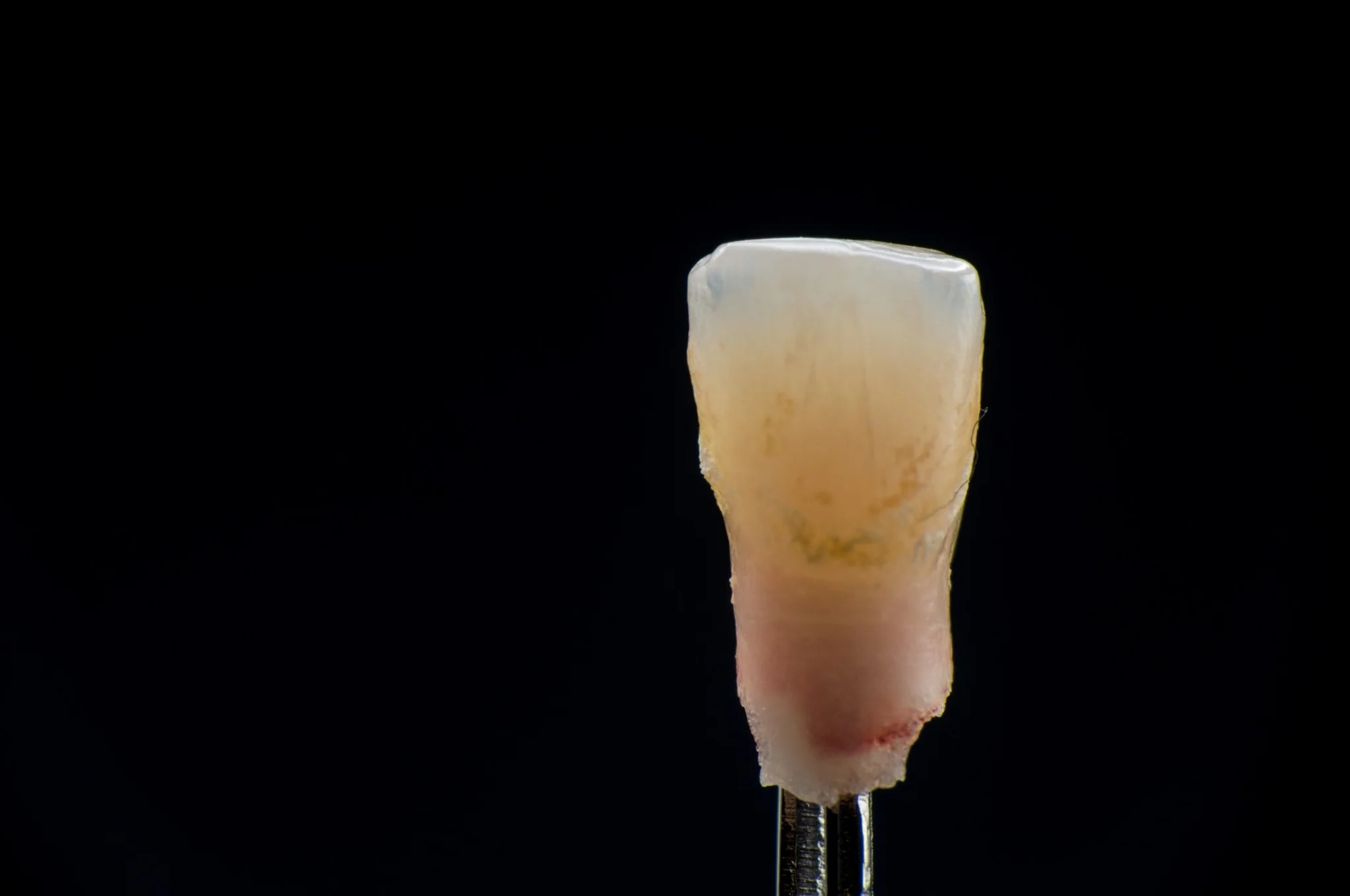
If a permanent tooth is knocked out, it should be handled carefully by the crown rather than the root. If possible, gently rinse the tooth with clean water and place it in milk or a tooth preservation solution while seeking emergency dental care.
Quick action helps protect the delicate tissues attached to the tooth and may increase the possibility of successful reinsertion.
What Treatment Options May Be Recommended?
The appropriate treatment depends on several factors, including the condition of the tooth, the amount of time that has passed, and the extent of the surrounding damage.
Professional Evaluation & Care
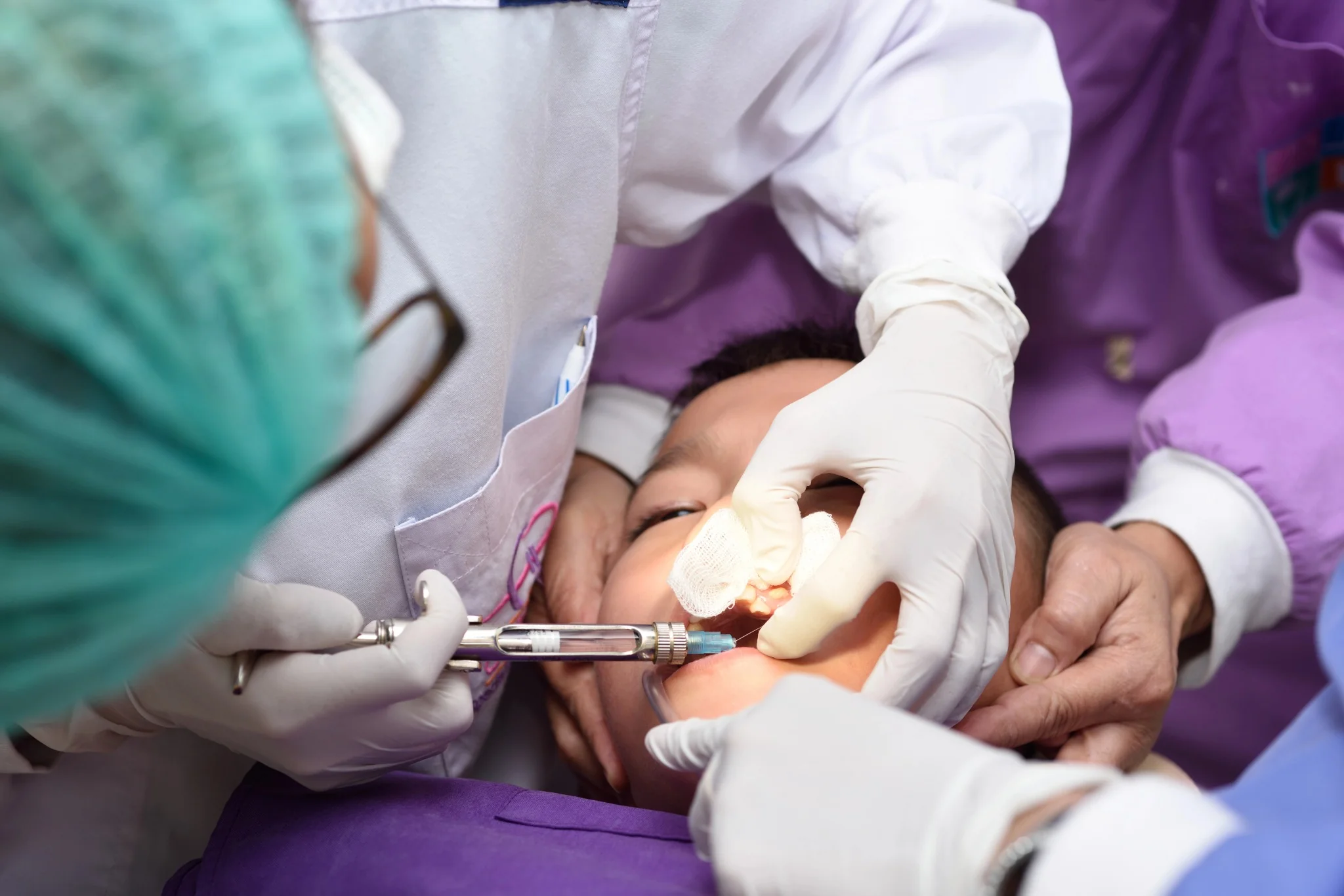
A dentist will assess the injury and determine whether the tooth can be repositioned. Additional treatments may include splinting the tooth to stabilize it, monitoring healing, or addressing damage to nearby tissues.
In some cases, long-term follow-up appointments are necessary to evaluate healing and ensure the tooth remains healthy and functional.
What Can Recovery Look Like?
Recovery varies from patient to patient, depending on the severity of the injury and the speed of treatment.
Maintaining excellent oral hygiene, attending scheduled follow-up visits, and following all post-treatment instructions can support healing. Patients should also avoid activities that place excessive stress on the affected area during recovery. These precautions help protect oral health and improve long-term outcomes.
Need Guidance After an Avulsion?
When a dental injury occurs, fast action and professional care can make a meaningful difference in recovery. If you or a loved one experiences a dental emergency, seeking prompt evaluation is an important first step toward protecting your smile.
At Bloink Dental, we are committed to helping patients navigate avulsion situations with compassionate care and personalized treatment recommendations. Contact our office today to schedule an appointment or receive the attention you need following a dental injury.