Why a Root Canal Tooth Often Needs a Crown

Replacing a Front Tooth with an Implant: What to Expect
October 28, 2026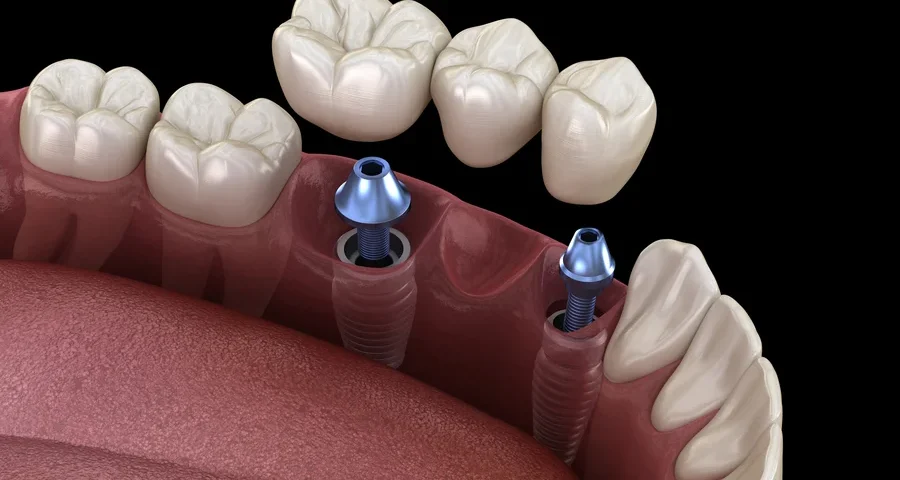
Finishing a root canal feels like crossing the finish line. The infection is gone, the pain that sent you to the dentist in the first place has eased, and it would be reasonable to assume the tooth is fully fixed. Then your dentist mentions that you will likely need dental crowns in Livonia, MI, as most patients do after this kind of treatment, and it can feel like an unexpected extra step.
Understanding how root canal therapy works in the first place makes it much easier to see why a crown so often comes next, rather than feeling like an upsell tacked onto the end of treatment.
Why a Treated Tooth Needs More Than Just a Filling
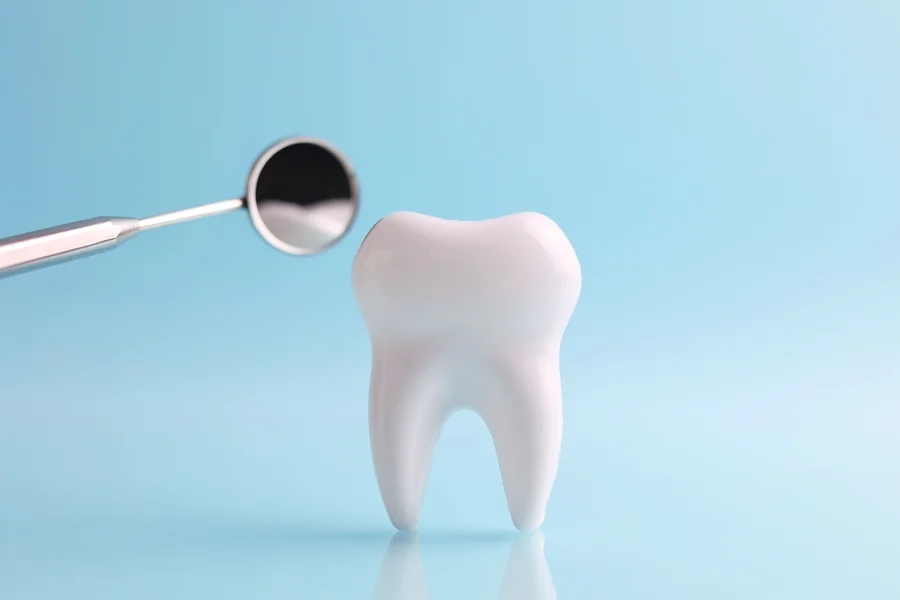
A tooth that has had a root canal is not the same tooth it was before. The procedure prevents extraction, but it also changes how that tooth withstands everyday pressure.
Watch for these signs that a treated tooth needs extra protection:
- The tooth is a molar or premolar that handles heavy chewing force
- A large portion of the original tooth structure was removed to treat decay
- The tooth already has a large filling from before the root canal
- You notice any new sensitivity or discomfort when biting down
- Your dentist mentions the access opening used to reach the infected pulp
None of these signs means something went wrong with your root canal. There are several reasons the tooth needs reinforcement that it did not need before.
What Actually Happens to a Tooth During a Root Canal
During a root canal, the dentist opens the tooth to remove infected pulp, then cleans and fills the canals inside. According to Mayo Clinic’s overview of the procedure, the final stage of treatment is restoring the tooth, since it typically has a large filling or has been weakened by decay. A crown is usually the way to complete the restoration.
That opening into the tooth, combined with whatever decay made the root canal necessary in the first place, leaves less of the tooth’s original structure intact than most patients realize.
The Data Behind Why Crowns Hold Up Better
The case for a crown is not just theoretical. A retrospective study published in the Journal of Pharmacy and Bioallied Sciences tracked 1,000 root canal-treated teeth over a decade and found that teeth restored with a crown survived at 96%, compared with 71% for those restored with amalgam fillings and 64% for those restored with glass ionomer cement.
A crown holds the remaining tooth together so chewing forces do not crack it, which a filling alone was not built to do.
What to Expect When Getting a Crown
Choosing the right crown material for dental crowns after a root canal is fairly straightforward. Your tooth is prepared and shaped, an impression is taken, and a custom crown is crafted to match the size, shape, and color of your natural teeth. You can also meet the team who will be handling your care before your appointment if you would like a better sense of who you will be working with.
When a Filling Might Still Be Enough
Not every root canal ends in a crown. Front teeth that handle less chewing force sometimes do fine with a strong filling alone, especially when very little of the tooth structure was lost during treatment. This is a case-by-case decision based on which tooth was treated, how much decay was present, and how the remaining structure looks on an X-ray, which is why an in-person evaluation matters more than a general rule.
If cost is part of what is holding you back from scheduling that evaluation, it is worth asking about the practice’s in-house savings program for patients without dental insurance.
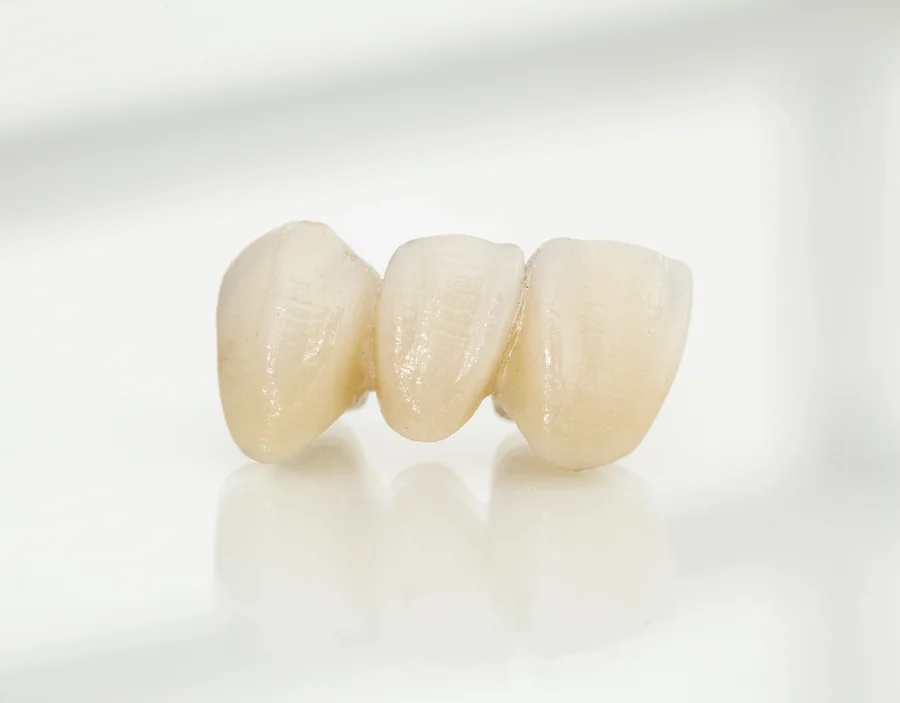
Protect Your Tooth With Dental Crowns in Livonia, MI
If you have recently had a root canal or your dentist has mentioned you may need one soon, do not assume the conversation about a crown is optional. Bloink Dental can walk you through whether your tooth needs a crown and what that process looks like for your specific situation.
Contact us to schedule a visit and get the lasting protection that dental crowns in Livonia, MI, provide, keeping a treated tooth strong for years to come.