Dentist Recommendation: Dental Implants or Dentures?

Ask Your Dentist: Things To Know About Sedation Dentistry
February 9, 2026
How Long Does Dental Implant Surgery Take?
March 2, 2026
If you are trying to decide between dental implants and dentures, you are not alone. Many patients who visit a dentist in Wayne County ask the same question: “Which option makes the most sense for my lifestyle, comfort, and budget?”
Both solutions replace missing teeth. Both improve function and appearance. But when you break it down into pros, cons, costs, and long-term comfort, the differences become much clearer.
Let’s walk through what you really need to know before making your decision.
The Pros & Cons of Dentures
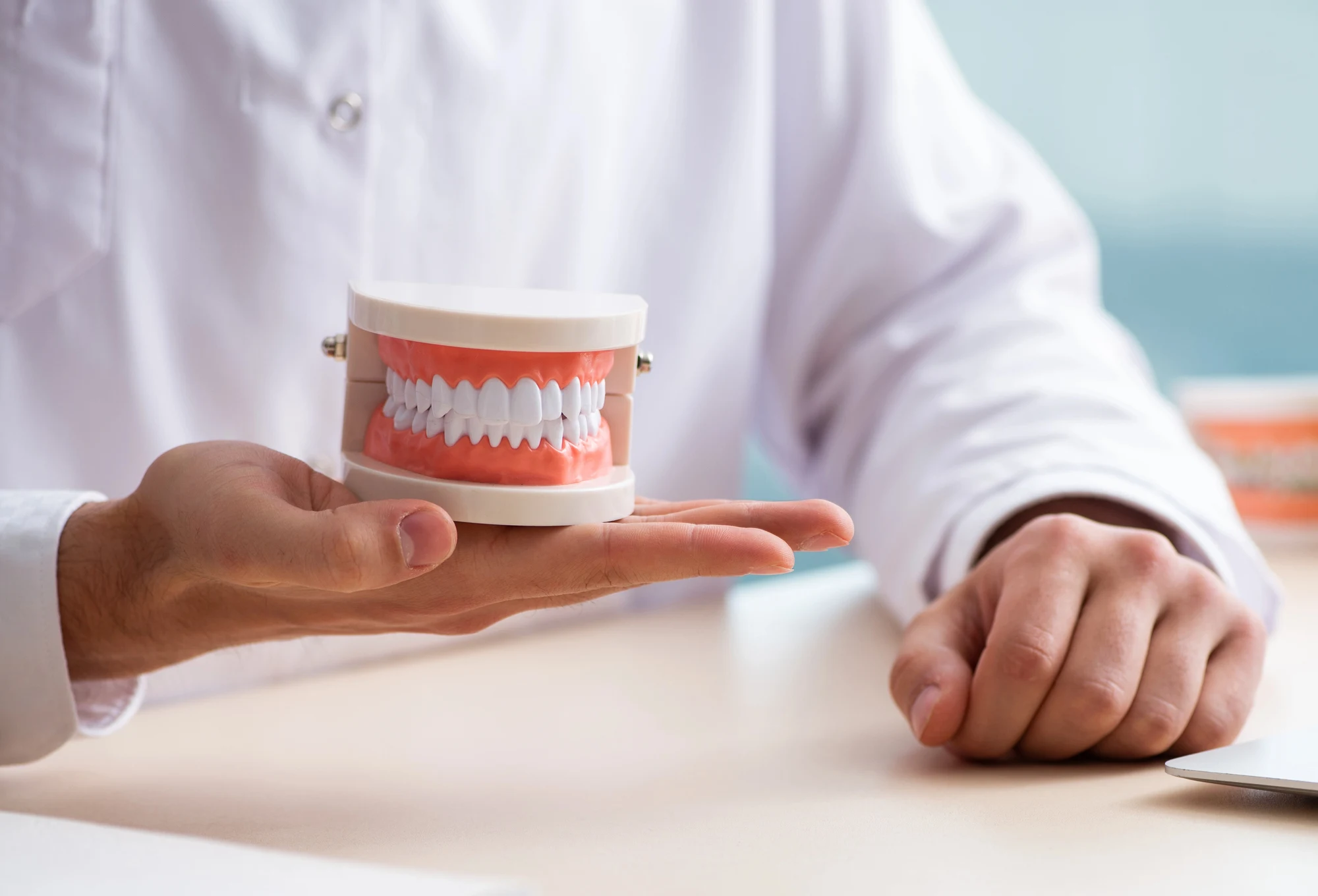
Dentures have been used for generations and remain a reliable option for many patients.
Pros of Dentures
- Lower upfront cost compared to implants
- Non-surgical solution
- Faster treatment timeline
- Suitable for patients with significant bone loss
- Can replace an entire arch of teeth at once
For many individuals, especially those seeking an affordable, quick solution, dentures are practical and accessible.
Cons of Dentures
- Can shift or move while eating or speaking
- May require adhesive for stability
- Need periodic relining or replacement
- Do not prevent jawbone shrinkage
- Require daily removal and cleaning
While dentures restore appearance and basic function, they do not replicate the stability of natural tooth roots.
The Pros & Cons of Dental Implants
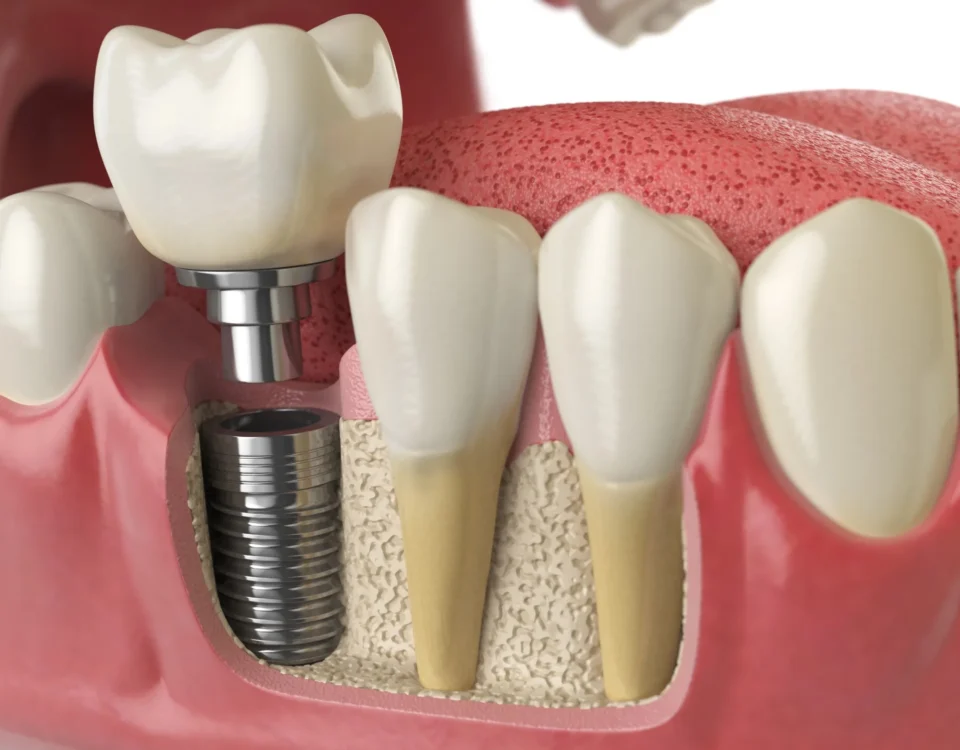
Dental implants are considered a long-term solution for tooth replacement. A titanium post is placed in the jawbone, where it fuses with the bone and supports a crown or bridge.
Pros of Dental Implants
- Fixed in place and highly stable
- Look and feel similar to natural teeth
- Help preserve jawbone density
- No need for adhesives
- Long-lasting with proper care
Because implants integrate with the jawbone, they provide a foundation that closely mimics the structure of natural teeth.
Cons of Dental Implants
- Higher initial cost
- Require minor surgical placement
- Longer treatment timeline due to healing
- Not immediately suitable for all patients
Patients with insufficient bone density may require additional procedures before implant placement. When discussing your candidacy with a dentist, your health history and bone structure will be carefully evaluated.
Comfort Factors: What Daily Life Really Feels Like
How Dentures Feel
Dentures rest directly on the gums. While they are custom-made for fit, they may feel bulky at first. Over time, changes in the jawbone can alter its position, sometimes causing irritation or pressure points. Eating certain foods may require caution, especially sticky or hard items.
How Implants Feel
Implants are anchored in the bone. Most patients report feeling more natural and secure. Because they do not shift, chewing tends to feel more confident and stable. From a comfort standpoint, implants typically provide greater long-term stability.
Cost Breakdown: Short-Term vs. Long-Term Investment
Denture Costs
Dentures usually involve:
- Lower upfront expense
- Periodic adjustments
- Replacement every 5 to 10 years
While more affordable initially, maintenance and replacement costs add up over time.
Implant Costs
Implants involve:
- Higher initial cost
- Surgical placement
- Minimal long-term replacement if maintained properly
Although implants cost more upfront, many patients view them as a long-term investment due to their durability and reduced need for future adjustments. Insurance coverage varies, so reviewing your options carefully is important.
Bone Health & Long-Term Oral Stability
One major difference between implants and dentures is how they affect your jawbone. When a tooth is lost, the jawbone no longer receives stimulation from the tooth root. Over time, this can cause bone shrinkage.
Dentures sit on top of the gums and do not prevent bone loss. Dental implants stimulate the jawbone in a similar way to natural teeth. This helps preserve facial structure and reduce long-term bone deterioration.
For patients concerned about facial changes over time, this factor often becomes important during consultations.
Maintenance & Care Requirements
Caring for Dentures
- Remove nightly
- Clean thoroughly
- Soak in the solution
- Maintain gum hygiene
Routine adjustments may also be necessary to maintain fit.
Caring for Implants
- Maintain regular dental visits
- Monitor gum health
From a maintenance perspective, implants tend to blend more seamlessly into a normal oral hygiene routine.
Which Option Is Right for You?
There is no universal answer.
Dentures may be ideal if:
- You prefer a non-surgical solution
- You need a faster treatment timeline
- Budget is your primary concern
Implants may be ideal if:
- Stability is a top priority
- You want a long-lasting solution
- You are concerned about bone preservation
The most important step is having a comprehensive evaluation. A dentist can review your health, bone structure, goals, and expectations before recommending the best course of action.
Get Clear Guidance from a Dentist in Wayne County
At Bloink Dental, we take time to explain your options clearly and help you understand what each solution means for your long-term oral health.
If you are ready to restore your smile and want trusted guidance from a dentist in Wayne County, schedule a consultation today and take the next step with confidence.