Ask Your Dentist: Things To Know About Sedation Dentistry

Are You a Candidate for Dental Implants? Questions Your Dentist Will Ask
January 26, 2026
Dentist Recommendation: Dental Implants or Dentures?
February 23, 2026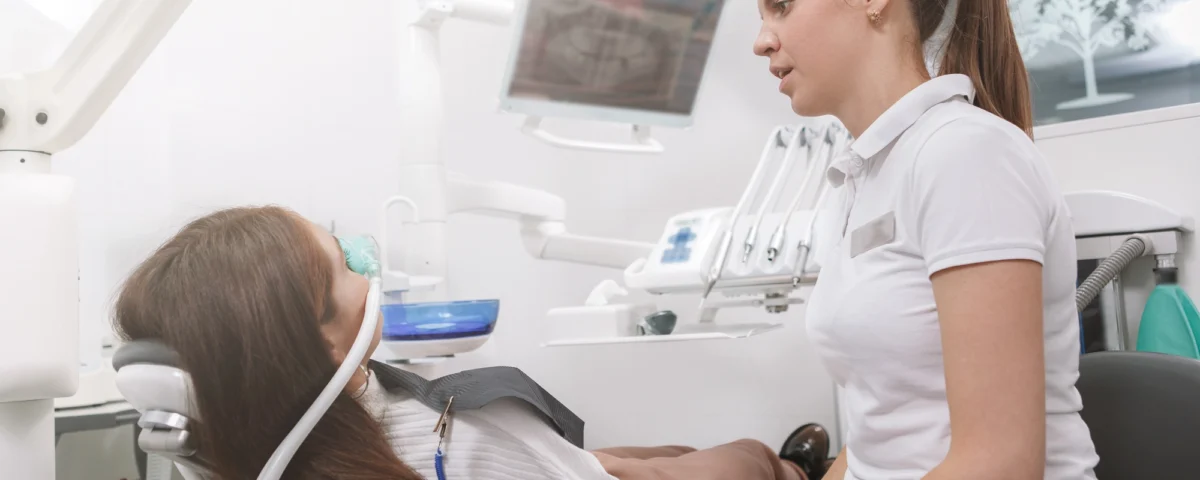
If the thought of sitting in a dental chair makes your heart race, you are not alone. Many patients who visit a dentist in Livonia, MI, admit they have some level of anxiety about treatment. The good news is that sedation dentistry has made it easier than ever to receive the care you need without unnecessary stress.
Understanding how sedation works, who it is for, and what to expect can help you feel more confident about your next appointment.
What Is Sedation Dentistry?
Sedation dentistry uses medication, usually anesthetics, to help patients relax during dental procedures. Depending on the type of sedation used, you may feel calm and slightly drowsy, deeply relaxed, or, in some cases, sleep through much of the procedure.
It is important to know that sedation dentistry is not just for complex procedures. It can be used for routine treatments as well, especially for patients who experience anxiety, have sensitive teeth, or need multiple procedures in one visit.
How Is It Different from General Anesthesia?
General anesthesia renders you completely unconscious and is typically used in hospital settings. Most dental sedation methods keep you conscious and able to respond to instructions, even if you feel very relaxed or have limited memory of the procedure.
Types of Sedation Used in Dentistry
Your dentist will recommend a type of sedation based on your health history, level of anxiety, and the procedure being performed.
Nitrous Oxide
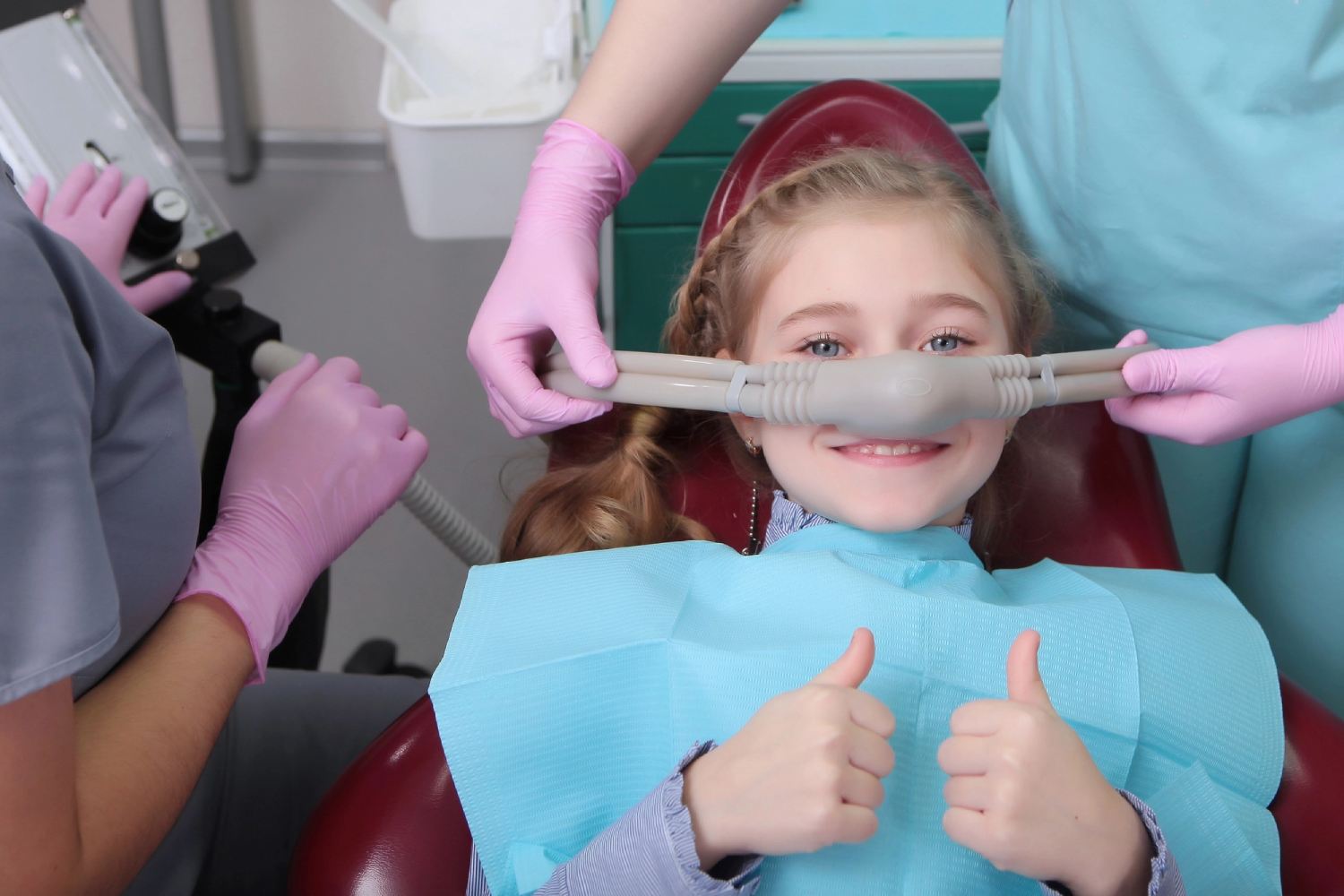
Often called laughing gas, nitrous oxide is inhaled through a small mask placed over your nose. It helps you relax quickly and wears off just as fast once the mask is removed. Many patients can drive themselves home afterward.
Oral Sedation
Oral sedation involves taking a prescribed medication before your appointment. It produces a deeper level of relaxation than nitrous oxide.
You will remain awake but may feel drowsy and less aware of the procedure. Because the effects last longer, you will need someone to drive you home.
IV Sedation
Intravenous sedation is delivered directly into the bloodstream, allowing the dentist to adjust the level of sedation throughout the procedure. It creates a deep state of relaxation and is often recommended for longer or more involved treatments.
Who Can Benefit from Sedation Dentistry?
Sedation dentistry is helpful for more people than you might think.
Patients with Dental Anxiety
Dental fear is extremely common. Some patients avoid routine cleanings and exams for years due to anxiety. Sedation can make it possible to receive care comfortably and consistently.
Those with a Low Pain Threshold
If you are highly sensitive to discomfort, sedation can help reduce both physical and emotional stress during treatment.
Patients with Strong Gag Reflexes
A strong gag reflex can make certain procedures difficult. Sedation relaxes the body and helps minimize this response.
Individuals Needing Extensive Work
If you require multiple procedures, sedation dentistry may allow your dentist to complete more work in fewer visits, saving time and reducing overall stress. When discussing options with a dentist, be open about your concerns and past experiences. That conversation helps determine the best and safest approach for you.
Is Sedation Dentistry Safe?
Safety is one of the most common concerns patients have. When administered by trained professionals, sedation dentistry has a strong safety record.
Before recommending sedation, your dentist will review:
- Your medical history
- Current medications
- Allergies
- Past reactions to anesthesia
Throughout the procedure, your vital signs such as heart rate, blood pressure, and oxygen levels are monitored. This careful oversight ensures your comfort and safety at all times.
Patients with certain medical conditions may require additional evaluation before sedation. Transparency about your health history is essential.
What Should You Expect Before and After?
Knowing what to expect can help reduce uncertainty.
Before Your Appointment
You may receive specific instructions, including:
- Avoiding food or drink for a certain period
- Adjusting medications if needed
- Arranging for a ride home if using oral or IV sedation
Following these instructions closely is important for a smooth experience.
During the Procedure
Most patients report feeling calm, detached from anxiety, and comfortable. Some have little memory of the procedure afterward, especially with oral or IV sedation.
After the Procedure
Recovery time depends on the type of sedation used. Nitrous oxide typically wears off quickly. Oral and IV sedation may require several hours before you feel fully alert. Mild grogginess is normal.
Your dentist will provide aftercare instructions tailored to your treatment.
Common Myths About Sedation Dentistry
Misinformation often adds to anxiety. Let’s clear up a few common misconceptions.
Myth: Sedation Is Only for Major Surgery
Sedation can be used for routine procedures like dental fillings or deep cleanings if anxiety is present.
Myth: You Will Be Completely Unconscious
Most dental sedation keeps you awake but deeply relaxed.
Myth: It Is Unsafe
With proper screening and monitoring, sedation dentistry is considered safe for the vast majority of patients. If you have concerns, a conversation with a dentist can clarify what level of sedation, if any, is appropriate for your situation.
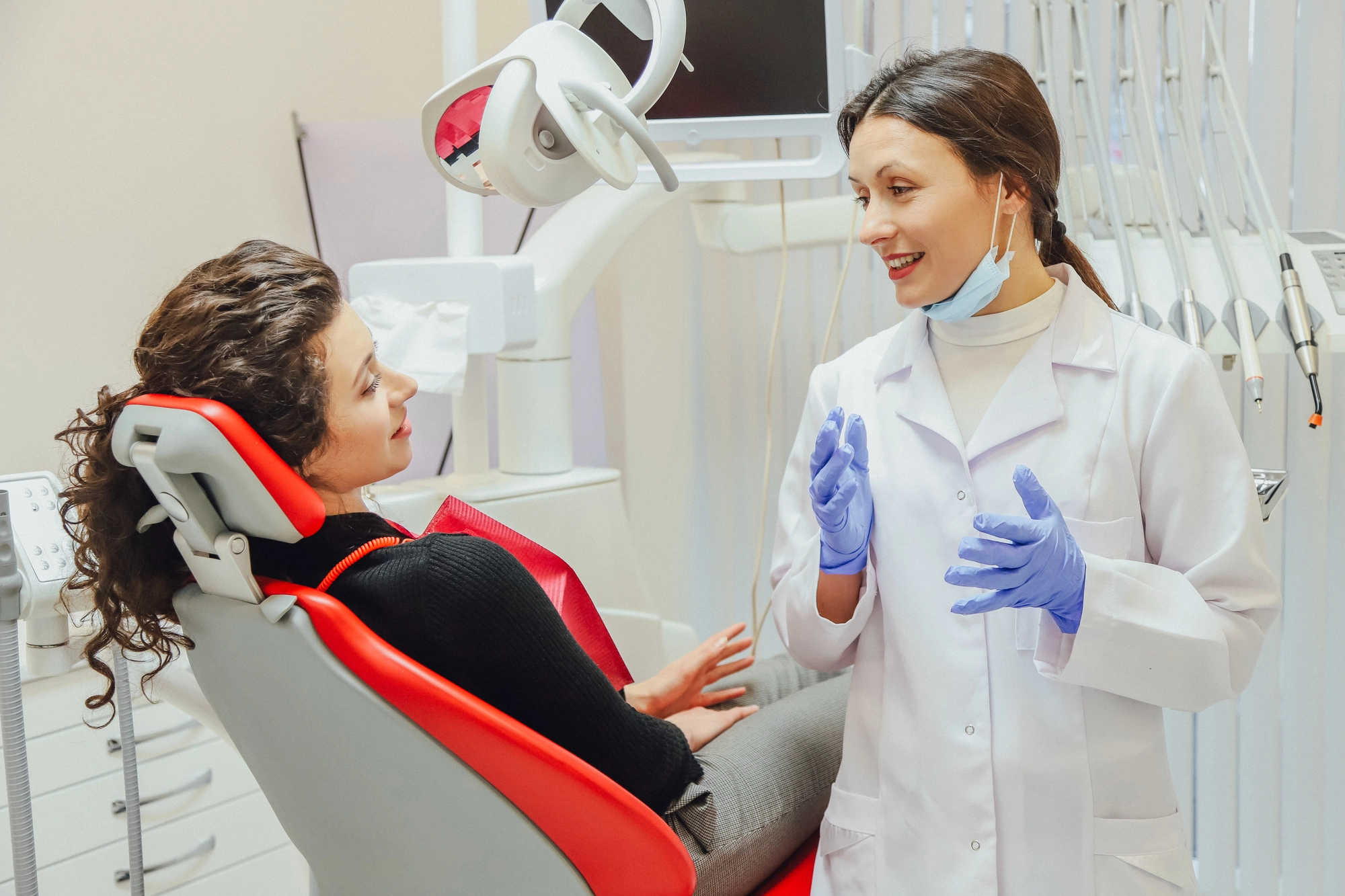
Explore Comfortable Sedation Dentistry Options with a Dentist in Livonia, MI
At Bloink Dental, we focus on creating a calm, respectful environment where patients feel heard and supported. Whether you need routine care or more advanced treatment, our team will walk you through your options and answer your questions clearly and honestly.
Schedule an appointment and start your path toward stress-free dental care today.