What Affects the Cost of Dental Crowns?

How Long Does Dental Implant Surgery Take?
March 2, 2026
What Smile Concerns Can a Cosmetic Dentist Address?
April 6, 2026
If your dentist has recommended a crown, one of the first questions you probably have is about cost. The price of dental crowns in Livonia, MI, can vary based on several important factors, and understanding those details can help you feel more confident about your treatment plan.
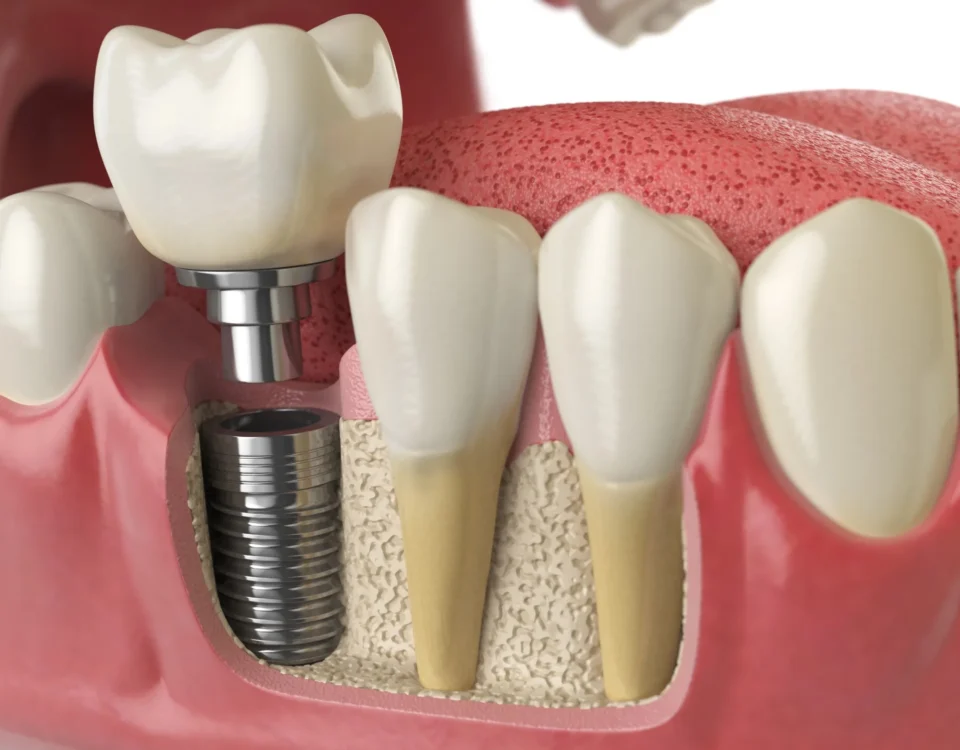
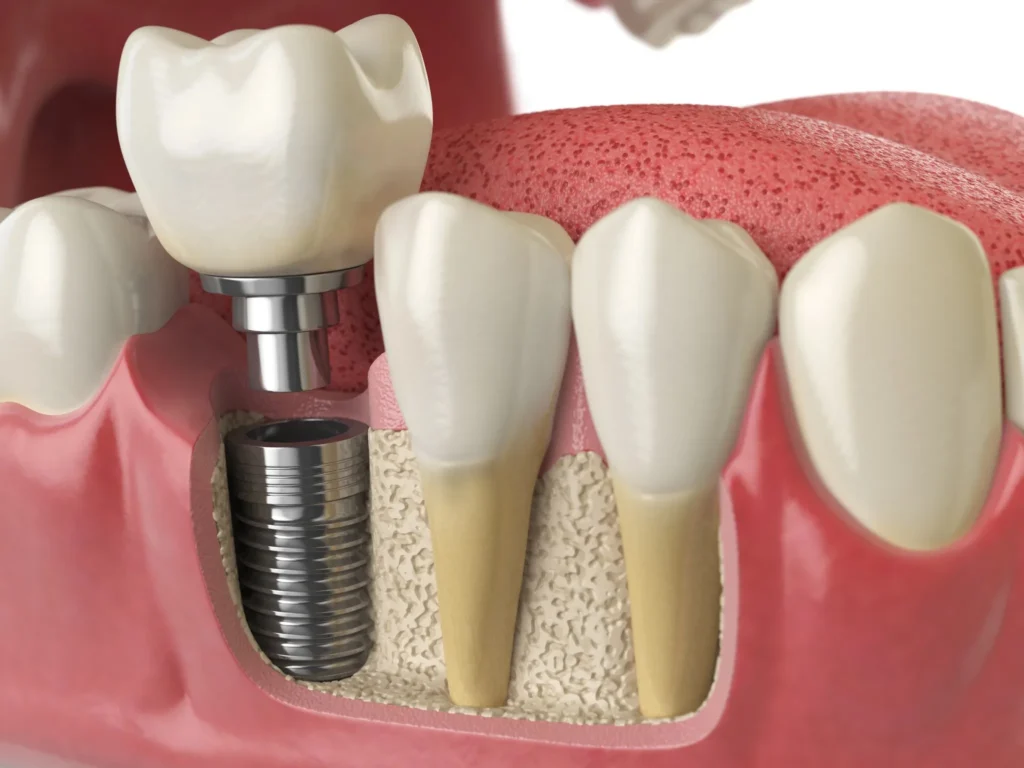
A dental crown is more than a cosmetic fix. It restores strength, protects weakened enamel, and improves function. Because it plays such an important role in your oral health, pricing reflects the materials, technology, and expertise involved.
Let’s break down what influences the final cost.
Type of Crown Material & Durability
One of the biggest factors affecting cost is the material used to create the crown. Common options include:
Porcelain & Ceramic Crowns
These are popular for front teeth because they closely match natural enamel. They offer excellent aesthetics but may vary in price depending on the specific ceramic used.
Porcelain Fused to Metal
This option combines strength with a natural appearance. The metal base adds durability, which can influence overall cost.
Zirconia Crowns
Zirconia is known for exceptional strength and longevity. Because of its durability and modern fabrication process, it may be priced differently than traditional materials. The choice depends on the location of the tooth, bite pressure, cosmetic goals, and long-term expectations. Stronger materials often cost more upfront but may last longer.
Condition of the Tooth & Preparation Required
Not all crowns are placed under the same circumstances. The condition of your existing tooth plays a major role in cost. If a tooth has extensive decay, fracture, or requires a root canal beforehand, the total treatment plan may include additional procedures. Tooth buildup, removal of old restorations, or gum adjustments can also affect the complexity of care.
According to the American Dental Association, restorative procedures are tailored to preserve as much healthy tooth structure as possible. More extensive preparation requires more chair time and technical precision, which can influence pricing.
Technology & Lab Work Involved
Modern dentistry often incorporates digital impressions and advanced fabrication techniques. Some practices use high-tech scanning systems instead of traditional molds, improving accuracy and comfort. Crowns are typically crafted in a dental laboratory or with advanced in-office milling technology. The quality of the lab work, customization, and material processing all contribute to the overall cost.
Precision matters. A properly fitted crown reduces the risk of future complications such as decay under the restoration or bite misalignment.
Insurance Coverage & Financial Factors
Dental insurance plans vary widely. Many plans cover a portion of restorative procedures when deemed medically necessary, but coverage percentages differ. You may also encounter:
Annual maximum limits
Waiting periods
Deductibles
Frequency restrictions
Understanding your benefits before treatment begins helps avoid surprises. Many dental offices assist patients in reviewing coverage and explaining estimated out-of-pocket expenses. When comparing dental crown costs in Livonia, MI, it is helpful to evaluate not only the price but also what is included in the treatment.
Longevity & Long-Term Value
A crown is an investment in protecting your natural tooth. When placed properly and maintained with routine hygiene visits, crowns can last many years. Some experts say dental crowns typically last 5 to 15 years, depending on the material used and oral care habits. High-quality materials and precise placement often contribute to longer durability. Choosing a crown solely on price, without considering longevity, may lead to additional expenses later. Durability, fit, and professional expertise all influence long-term value.

Considering Dental Crowns in Livonia, MI?
If you are exploring dental crowns in Livonia, MI, understanding these factors can help you make an informed decision. At Bloink Dental, we focus on restoring strength, function, and natural appearance with carefully planned treatment options tailored to each patient. If you have questions about materials, insurance coverage, or your specific needs, schedule an appointment to discuss your options and protect your smile with confidence.